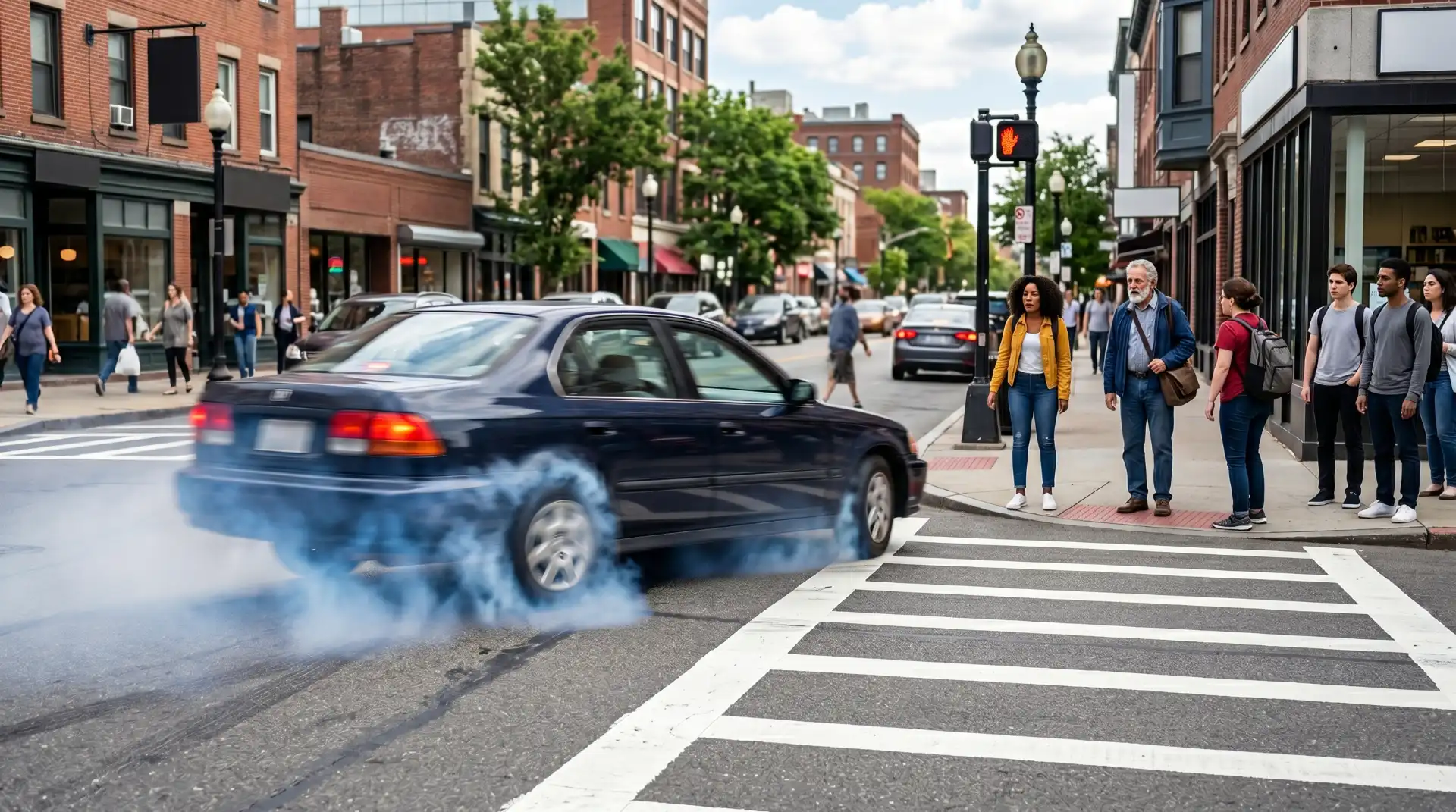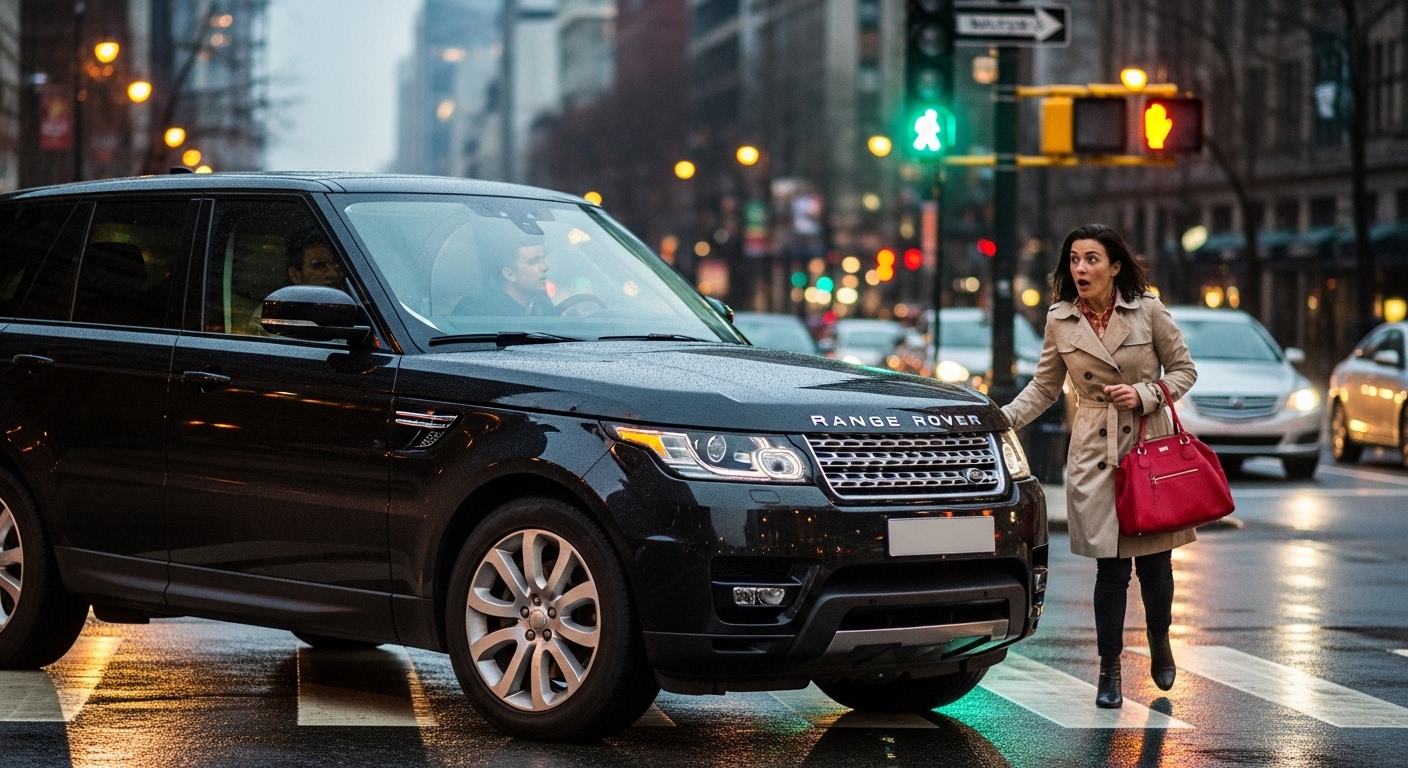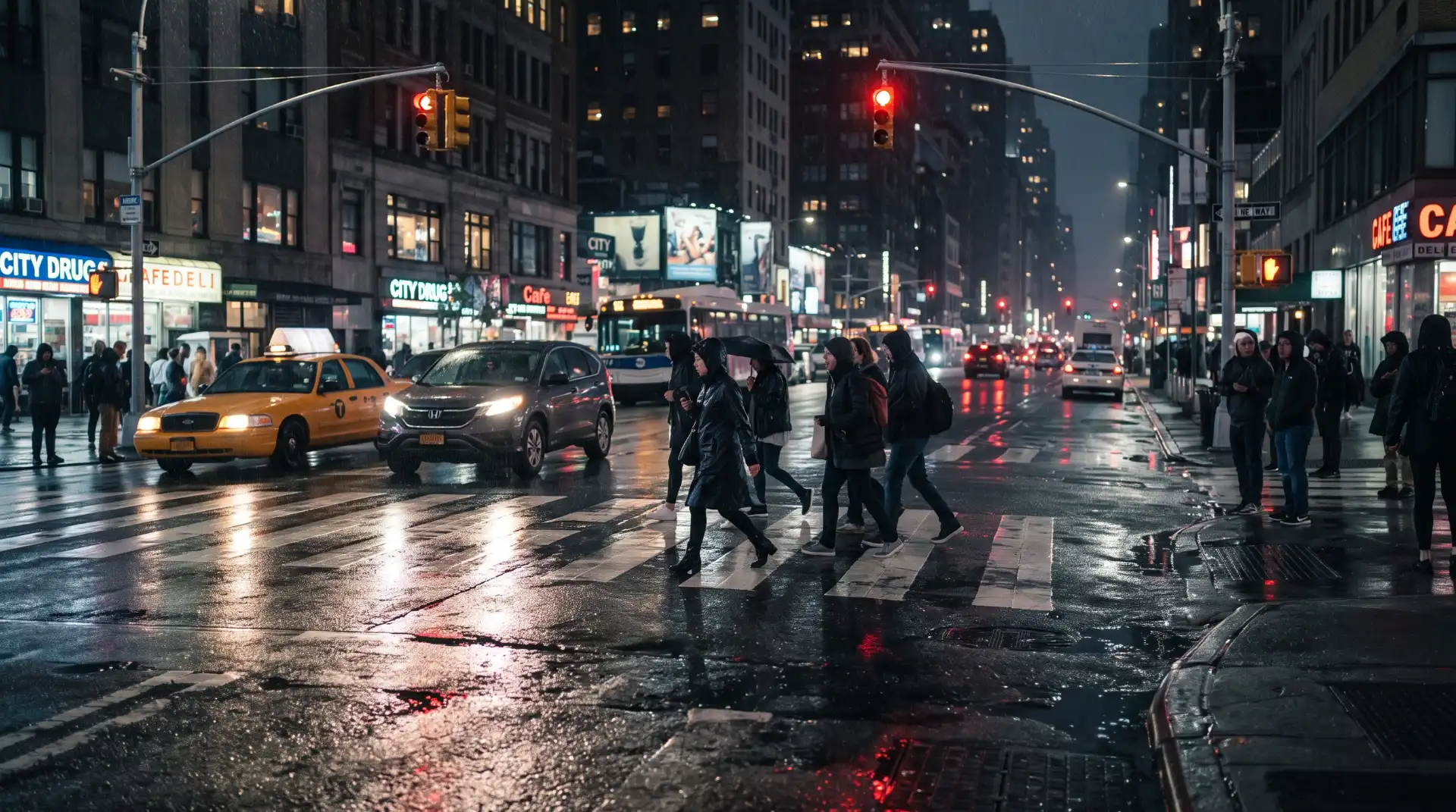
Walking after dark is an ordinary part of life in the United States. People walk home from work, cross parking lots after shopping, leave restaurants, travel to bus stops, exercise in their neighborhoods, and move through downtown entertainment districts at night. Unfortunately, darkness can make an otherwise routine walk significantly more dangerous.
Nighttime pedestrian accidents present difficult questions about what a driver could see, how fast the vehicle was traveling, whether the roadway was adequately illuminated, and whether the pedestrian was visible soon enough for the driver to react. Insurance companies often focus heavily on these questions because visibility can influence how fault is divided among the driver, pedestrian, property owner, government agency, or another responsible party.
According to the National Highway Traffic Safety Administration, 7,080 pedestrians were killed and more than 71,000 were injured in traffic crashes nationwide in 2024. National safety research also shows that a large majority of fatal pedestrian crashes happen after dark. These statistics demonstrate why nighttime visibility is not merely a minor detail. It can be one of the most important issues in a pedestrian injury or wrongful death claim.
This article explains how nighttime conditions affect pedestrian accident liability, what evidence may help establish fault, which parties may be legally responsible, and what compensation may be available to an injured pedestrian or surviving family.
Why Nighttime Pedestrian Accidents Are Especially Dangerous
Drivers depend on their vision to identify hazards, judge distance, interpret movement, and decide when to brake. Darkness reduces the amount of visual information available to a driver. Even when headlights and streetlights are working, drivers may have difficulty identifying a person near the roadway, especially when the pedestrian is outside the strongest portion of the headlight beam.
At night, a driver may see a pedestrian later than they would during daylight. The driver must then recognize that the object is a person, understand the pedestrian’s direction of travel, decide whether the pedestrian will enter the vehicle’s path, and react appropriately. At higher speeds, the distance traveled during this recognition and reaction process becomes longer.
Glare can create an additional problem. Headlights from oncoming vehicles, illuminated advertising signs, wet pavement, streetlights, and bright storefronts may reduce contrast and make a pedestrian harder to distinguish from the background. Rain, fog, smoke, and dirty windshields can further interfere with visibility.
Nighttime crashes may also happen on roads that were not designed with pedestrian travel in mind. Wide arterial streets, missing sidewalks, long distances between marked crossings, high speed limits, and inadequate lighting can place pedestrians close to fast-moving traffic. When these features combine with darkness, the likelihood of a severe collision may increase.
Vehicle speed is especially important. A driver who travels too fast for the visible distance ahead may not have enough time to stop after detecting a pedestrian. Even when the posted speed limit permits a certain speed, drivers are generally expected to adjust their driving to actual road, traffic, weather, and visibility conditions.
Readers can learn more about the relationship between vehicle speed and pedestrian injuries in our article on pedestrian accidents caused by speeding drivers.
How Visibility Affects Legal Liability
Liability in a pedestrian accident usually depends on negligence. In general terms, negligence means that a person failed to use reasonable care under the circumstances and that the failure contributed to someone else’s injuries.
For a nighttime pedestrian accident, the central question is not simply whether it was dark. The investigation must examine how a reasonably careful driver or pedestrian should have behaved under the specific conditions present at the time.
A driver may be negligent if they were speeding, distracted, impaired, driving with defective headlights, failing to yield, making an unsafe turn, or traveling too fast to stop within the area illuminated by their headlights. A pedestrian may be accused of contributing to the accident if they entered traffic unexpectedly, ignored a pedestrian signal, crossed in a prohibited location, or walked along the roadway when a safe sidewalk was available.
However, none of those circumstances automatically decides the case. A pedestrian who was outside a crosswalk may still have a valid claim if the driver had enough time and distance to see and avoid the pedestrian. Similarly, a pedestrian wearing dark clothing does not automatically become legally responsible for being struck. The driver’s speed, attention, headlights, reaction, and opportunity to avoid the collision must still be evaluated.
Most states use some form of comparative negligence or comparative fault. Under these systems, responsibility may be divided between the people or entities whose conduct contributed to the accident. The exact rule varies by state. Some jurisdictions allow an injured person to recover compensation even when that person bears a substantial share of fault. Others prevent recovery once the claimant’s fault reaches a specified level.
Because pedestrian laws and comparative-fault rules differ across the country, a nationwide article cannot determine the outcome of a particular claim. The relevant state statutes, local ordinances, traffic-control devices, and facts of the accident must all be reviewed.
A Driver’s Duty to Use Reasonable Care at Night
Drivers have a continuing duty to watch the roadway and respond to reasonably foreseeable hazards. That duty does not disappear when visibility is limited. In many situations, poor visibility requires greater caution rather than less.
A careful driver may need to reduce speed, increase following distance, use headlights properly, clean the windshield, avoid looking at a phone, and pay particular attention near crosswalks, bus stops, parking lots, schools, neighborhoods, and entertainment areas.
Drivers should also anticipate pedestrians in places where people commonly walk, even when the pedestrian is not immediately visible. For example, a driver passing a stopped bus at night should consider that passengers may cross nearby. A motorist turning into a shopping center should look for people walking across the driveway. A driver approaching a downtown crosswalk should check both sides of the street before turning.
Failure to yield is a common factor in nighttime pedestrian collisions. A driver making a left or right turn may focus on other vehicles and overlook someone who has entered the crosswalk. Darkness can make this error more likely, but it does not necessarily excuse it.
Distraction can make nighttime visibility problems substantially worse. A driver who looks at a phone, navigation screen, passenger, or roadside activity may lose several seconds of observation time. During those seconds, the vehicle can travel a considerable distance. Our related article on pedestrian accidents and distracted driving explains how phone use and in-vehicle distractions may affect liability.
Does Dark Clothing Make the Pedestrian Responsible?
Insurance adjusters sometimes argue that a pedestrian caused or contributed to an accident by wearing black, gray, or other dark-colored clothing. Clothing may be relevant to a visibility analysis, but it is rarely the only issue.
An investigation should determine how far away the pedestrian could have been seen under the existing lighting, whether the driver’s headlights were operating correctly, how fast the vehicle was moving, whether the driver was attentive, and whether the pedestrian was within a crosswalk or other expected walking area.
The pedestrian’s movement also matters. A person who had been visible in the roadway for several seconds presents a different situation from someone who ran suddenly from behind a parked vehicle. Video evidence, witness accounts, vehicle data, and reconstruction analysis may help establish how long the pedestrian was available to be seen.
Reflective clothing and lights can improve safety, but the absence of reflective material does not automatically eliminate a pedestrian’s legal rights. Ordinary pedestrians are not necessarily required to dress as roadway workers whenever they walk after sunset. The applicable state law and surrounding circumstances control the legal analysis.
When Poor Street Lighting May Create Third-Party Liability
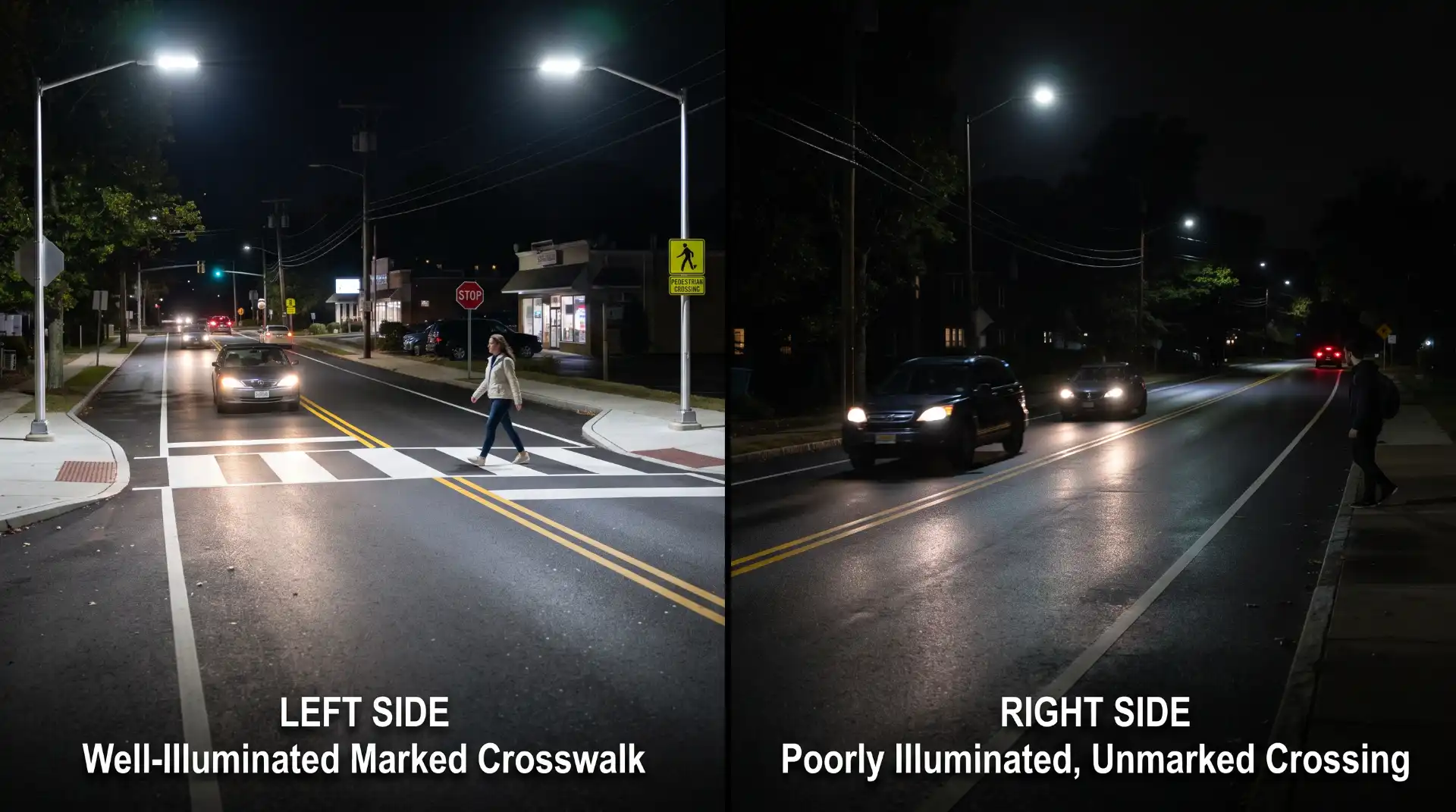
Not every nighttime pedestrian accident is solely a dispute between the pedestrian and driver. In some cases, inadequate street lighting, a defective pedestrian signal, overgrown vegetation, missing signs, poorly placed construction barriers, or a dangerous road design may have contributed to the crash.
A city, county, state transportation department, utility company, contractor, business, or private property owner may be responsible for maintaining certain lights or keeping a pedestrian area reasonably safe. Liability may arise when a responsible entity knew or should have known about a dangerous condition and failed to correct it within a reasonable period.
Examples may include a streetlight that remained broken despite repeated complaints, a business parking lot with dangerously inadequate illumination, vegetation that blocked a driver’s view of a crosswalk, or a construction project that redirected pedestrians into a dark traffic lane without appropriate warnings.
Claims against government entities are particularly time-sensitive. Many states require an injured person to submit a formal administrative notice or claim before filing a lawsuit. These deadlines can be much shorter than the ordinary personal injury statute of limitations. Missing the government-claim deadline may prevent the injured person from pursuing that portion of the case.
Government liability is also subject to special defenses and immunity rules. A poorly illuminated roadway does not automatically make a public agency responsible. The claimant may need to prove that a legally recognized dangerous condition existed, that the agency had actual or constructive notice, and that the condition substantially contributed to the accident.
Vehicle Headlights and Mechanical Conditions
Headlights are critical evidence in a nighttime pedestrian case. Investigators may examine whether both headlights were working, whether the lenses were cloudy or damaged, whether the beams were properly aimed, and whether the driver was using low or high beams appropriately.
A vehicle owner may bear responsibility for knowingly driving with defective lighting. A repair shop or parts manufacturer could potentially become relevant if negligent repairs or a defective component caused the headlights to fail, although those claims require technical evidence connecting the defect to the collision.
Newer vehicles may contain pedestrian-detection systems, forward-collision warnings, automatic emergency braking, night-vision systems, and event-data recorders. These technologies can provide important information, but they do not replace a driver’s duty to remain attentive.
Some systems perform differently in darkness, bad weather, glare, or situations where a pedestrian is partially obstructed. A vehicle’s electronic records may show whether a warning was generated, whether automatic braking activated, whether the driver applied the brakes, and how fast the vehicle was traveling before impact.
When advanced technology is involved, the vehicle should be preserved before it is repaired, sold, salvaged, or destroyed. A qualified expert may need to inspect its cameras, radar units, control modules, headlight system, tires, brakes, and stored electronic data.
Important Evidence in a Nighttime Pedestrian Accident Claim
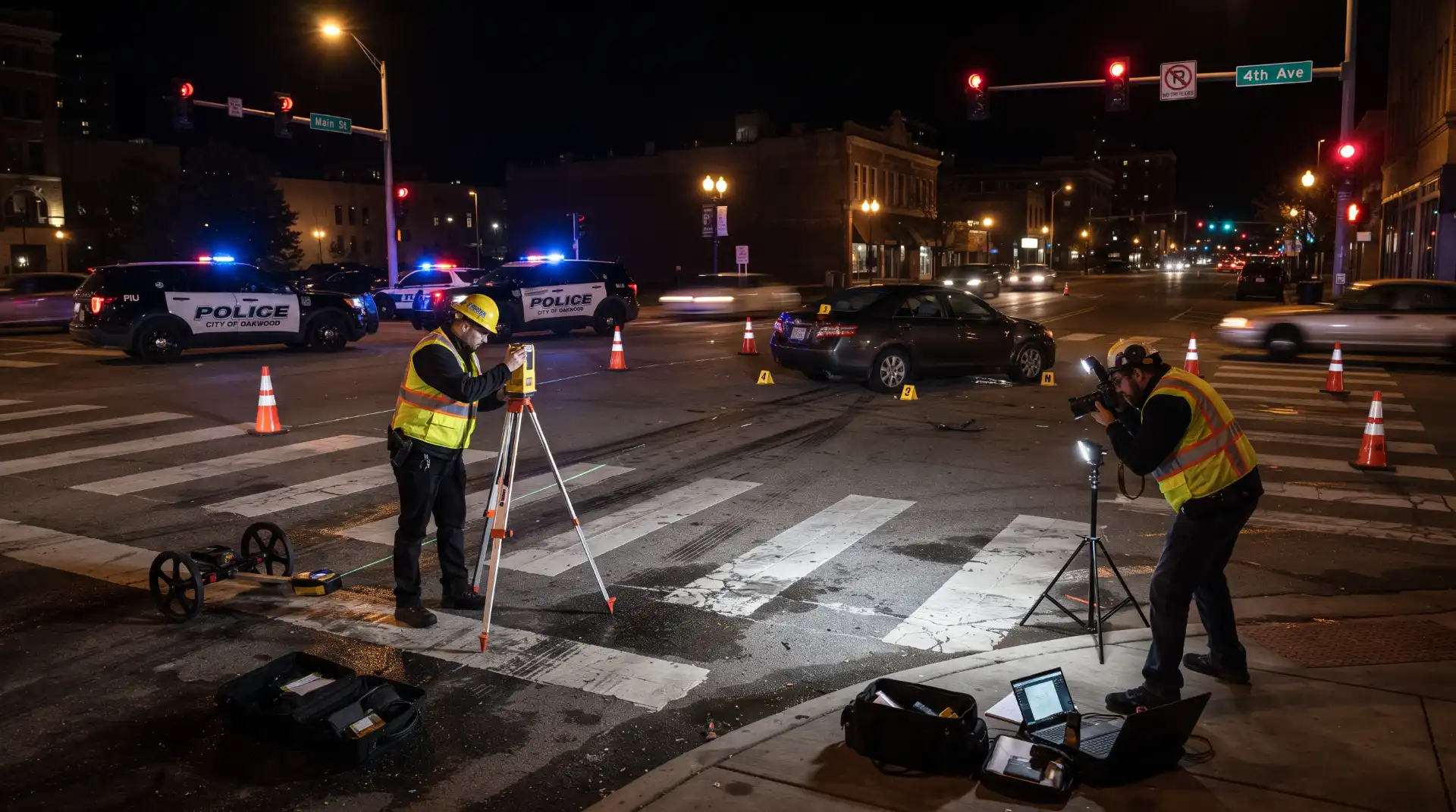
Nighttime cases often depend on evidence that can disappear quickly. Streetlights may be repaired, nearby businesses may erase surveillance recordings, vehicles may be repaired, and weather conditions may change. Prompt investigation is therefore particularly important.
Photographs should document the intersection or roadway from the driver’s direction of travel and from the pedestrian’s position. When possible, investigators may return at approximately the same time of night and under similar weather conditions to evaluate illumination, glare, background lighting, sight distance, traffic volume, and shadows.
Surveillance footage can be especially valuable. Cameras may be located on businesses, residences, buses, traffic signals, parking garages, police vehicles, rideshare vehicles, or private dashcams. Many systems automatically overwrite recordings after a short period, so preservation requests should be sent promptly.
Other useful evidence may include the police report, witness statements, 911 recordings, photographs of the pedestrian’s clothing, vehicle damage, headlight inspection records, roadway maintenance documents, mobile phone records, toxicology results, traffic-signal data, and electronic information stored by the vehicle.
A reconstruction expert may use this material to estimate vehicle speed, braking distance, impact location, pedestrian movement, illumination levels, and the amount of time the driver had to perceive and respond to the pedestrian.
How Accident Reconstruction Addresses Nighttime Visibility
Accident reconstruction is more complex than simply asking whether the driver says they saw the pedestrian. Human vision, headlight performance, reaction time, road geometry, speed, weather, glare, and environmental lighting may all need to be considered.
An expert may conduct a visibility study at the scene. During this process, the expert may use a comparable vehicle, measure illumination, photograph the roadway from the driver’s eye position, evaluate headlight reach, and place a representative object or person at the approximate point where the pedestrian was located.
The expert must account for differences between the original accident and the later test. A replacement streetlight, different vehicle, changed vegetation, resurfaced road, brighter storefront, or different weather can affect the results. For that reason, early photographs, municipal records, video footage, and witness testimony remain important.
Reconstruction may also show that a driver’s statement is inconsistent with physical evidence. For example, long skid marks or vehicle data may demonstrate that the driver was traveling faster than claimed. Video may show that the pedestrian was visible for several seconds before impact. Conversely, evidence may show that the pedestrian entered the lane so suddenly that even an attentive driver traveling at a reasonable speed had little opportunity to avoid the collision.
Common Locations for Nighttime Pedestrian Collisions
Nighttime pedestrian accidents can happen anywhere, but certain locations frequently present visibility and traffic conflicts.
Urban arterial roads are particularly concerning because they often combine multiple traffic lanes, relatively high speeds, commercial driveways, bus stops, long crossing distances, and substantial pedestrian activity. A pedestrian may need to cross several lanes while drivers are moving at speeds that leave little time for evasive action.
Parking lots and garages also present hazards. Pedestrians and vehicles share a confined space, drivers may back out with limited visibility, and lighting may be inconsistent. Property owners, parking operators, maintenance contractors, and drivers may all become relevant depending on how the accident occurred.
Residential roads may appear safer, but poorly illuminated intersections, parked vehicles, curved streets, and the absence of sidewalks can make pedestrians difficult to see. Drivers may also travel faster than is safe because traffic is light.
Nightlife districts create another combination of risks. Heavy pedestrian traffic, rideshare pickups, impaired drivers, double-parked vehicles, bright signs, and people crossing between cars can create significant visual distractions and sight obstructions.
Pedestrian Injuries Are Often Severe
A pedestrian has no seat belt, airbag, metal frame, or other protective structure to absorb the force of a collision. The initial vehicle impact may be followed by contact with the hood, windshield, pavement, or another vehicle.
Common injuries include traumatic brain injuries, spinal injuries, pelvic fractures, broken legs, internal bleeding, organ damage, facial injuries, torn ligaments, nerve damage, and serious cuts. Some victims require emergency surgery, hospitalization, rehabilitation, mobility equipment, home modifications, or long-term assistance with daily activities.
Symptoms may not always be obvious at the scene. Adrenaline can temporarily mask pain, while internal bleeding and brain injuries may worsen over time. Anyone struck by a vehicle should consider obtaining prompt medical evaluation even when the collision initially seems minor.
Additional information about treatment and recovery is available in our guide to common injuries in pedestrian accidents.
Compensation After a Nighttime Pedestrian Accident
An injured pedestrian may be able to pursue compensation from the driver’s liability insurer and, when supported by the evidence, other responsible parties. The recoverable damages depend on state law and the specific losses caused by the accident.
Economic damages may include ambulance charges, emergency treatment, hospitalization, surgery, medication, rehabilitation, medical equipment, future health care, lost wages, reduced earning capacity, transportation expenses, and the cost of household assistance.
Noneconomic damages may compensate for physical pain, emotional distress, disability, disfigurement, loss of enjoyment of life, and the effect of the injuries on the victim’s daily activities and relationships.
When a pedestrian dies, eligible family members or the estate may have the right to bring a wrongful death or survival claim. Depending on the jurisdiction, damages may include funeral expenses, lost financial support, loss of companionship, and certain losses experienced by the deceased before death.
The value of a claim cannot be determined from the fact that the accident happened at night. The severity and permanence of the injuries, available insurance, strength of the liability evidence, degree of comparative fault, future medical needs, lost income, and state law all influence the potential outcome.
How Insurance Companies May Dispute the Claim
Insurance companies commonly investigate whether the pedestrian was visible, where the pedestrian crossed, what the pedestrian was wearing, whether alcohol was involved, and whether the driver had enough time to react.
An adjuster may argue that the pedestrian suddenly stepped into the road, crossed against a signal, was outside a marked crosswalk, or could not be seen because of dark clothing. These arguments should be compared with objective evidence rather than accepted at face value.
The insurer may also request a recorded statement soon after the accident. An injured person may not yet understand the extent of their injuries or know what the available video and physical evidence show. Statements made while the person is medicated, in pain, or uncertain about the sequence of events may later be used to challenge the claim.
Medical records can also become disputed. An insurer may claim that treatment was unnecessary, that an injury existed before the collision, or that a gap in treatment shows the pedestrian recovered. Consistent medical care and clear documentation can help connect the accident to the resulting injuries and limitations.
What to Do After Being Struck at Night
Medical safety should come first. Call 911 or ask someone to call, remain in a safe location if possible, and obtain emergency care. Serious internal or neurological injuries may not produce immediate symptoms.
If circumstances permit, photograph the vehicle, license plate, roadway, crosswalk, traffic signals, streetlights, surrounding businesses, clothing, injuries, skid marks, debris, and weather conditions. Ask witnesses for their names and contact information rather than relying only on the police to locate them later.
Identify potential cameras as soon as possible. Note nearby homes, stores, apartment buildings, buses, parking facilities, and intersections that may contain surveillance systems. The recordings may need to be requested before they are overwritten.
Keep the clothing, shoes, phone, bag, and other property involved in the accident without washing, repairing, or discarding them. These items may help establish visibility, impact location, or the severity of the collision.
Follow medical recommendations and maintain records of appointments, symptoms, prescriptions, missed work, transportation expenses, and assistance needed at home. These records may help document how the injuries affected daily life.
Our guide on protecting your rights after a pedestrian accident discusses additional steps that may help preserve a claim.
How a Pedestrian Accident Lawyer May Help
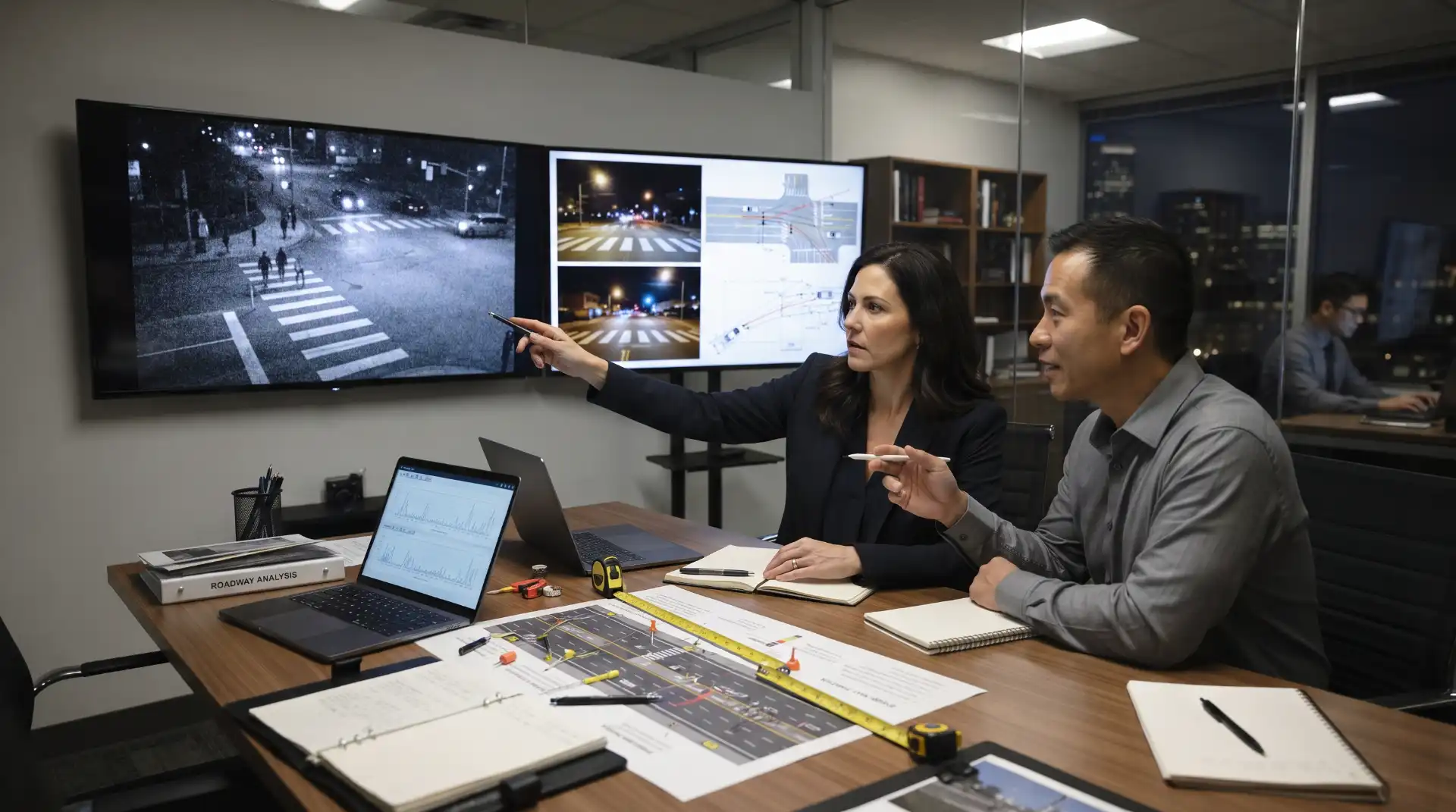
A lawyer handling a nighttime pedestrian accident may investigate the scene, locate video, interview witnesses, preserve the vehicle, examine insurance coverage, request roadway maintenance records, and consult reconstruction or lighting experts.
Legal counsel may also identify parties who are not immediately obvious. In addition to the driver, a claim may involve the vehicle owner, driver’s employer, rideshare company, delivery company, property owner, construction contractor, vehicle manufacturer, repair facility, or government agency.
When multiple parties contributed tothe accident, the lawyer may evaluate how liability should be allocated and whether more than one insurance policy applies. This can be important when the pedestrian’s medical expenses and future losses exceed the individual driver’s policy limits.
A lawyer can also address allegations of comparative fault. Evidence may demonstrate that the pedestrian was visible for longer than the driver claimed, that the vehicle was speeding, that the headlights were defective, or that the driver failed to respond to warnings generated by the vehicle.
The legal process may involve insurance negotiations, expert analysis, written discovery, depositions, mediation, and potentially trial. Our overview of the legal process after a pedestrian accident explains what injured pedestrians may encounter as a claim progresses.
Preventing Nighttime Pedestrian Accidents
Reducing nighttime pedestrian deaths requires more than expecting pedestrians to make themselves visible. Drivers, road designers, vehicle manufacturers, property owners, government agencies, and communities all play a role.
Drivers can reduce risk by slowing down, keeping windshields and headlights clean, avoiding distractions, yielding at crossings, and looking carefully before turning. Pedestrians can use sidewalks where available, cross in well-lit areas, remain alert, and avoid assuming that a driver has seen them.
Communities can improve safety through better lighting, shorter crossing distances, pedestrian refuge islands, clearly marked crossings, lower speeds, accessible signals, protected sidewalks, and road designs that encourage drivers to slow down.
Vehicle technology may also help prevent some collisions, but no system is perfect. Pedestrian automatic emergency braking, cameras, radar, and driver warnings should be viewed as additional safety tools rather than substitutes for careful driving and safer roadway design.
Conclusion
Nighttime pedestrian accidents often involve much more than the simple statement that a driver did not see the pedestrian. A complete liability investigation should examine why the pedestrian was not seen, whether the vehicle was traveling too fast for the conditions, whether the driver was attentive, whether the headlights worked properly, and whether the roadway or surrounding property was adequately illuminated.
Dark clothing, crossing location, and pedestrian conduct may be relevant, but they do not automatically decide fault. Video footage, witness statements, vehicle data, lighting records, road measurements, and accident reconstruction may reveal that the driver or another party had a reasonable opportunity to prevent the crash.
Because surveillance recordings and physical conditions can change quickly, evidence should be preserved as early as possible. An injured pedestrian or surviving family should also be aware that state deadlines vary, and claims involving public entities may require action much sooner than ordinary personal injury claims.
Every nighttime pedestrian accident is different. A careful review of the visibility conditions, applicable state law, medical consequences, and available insurance is necessary to determine who may be responsible and what compensation may be pursued.
This article provides general information about U.S. pedestrian accident claims and is not legal advice. Pedestrian laws, insurance rules, filing deadlines, and comparative-fault standards vary by state.