Pedestrian Accidents Caused By Speeding Drivers
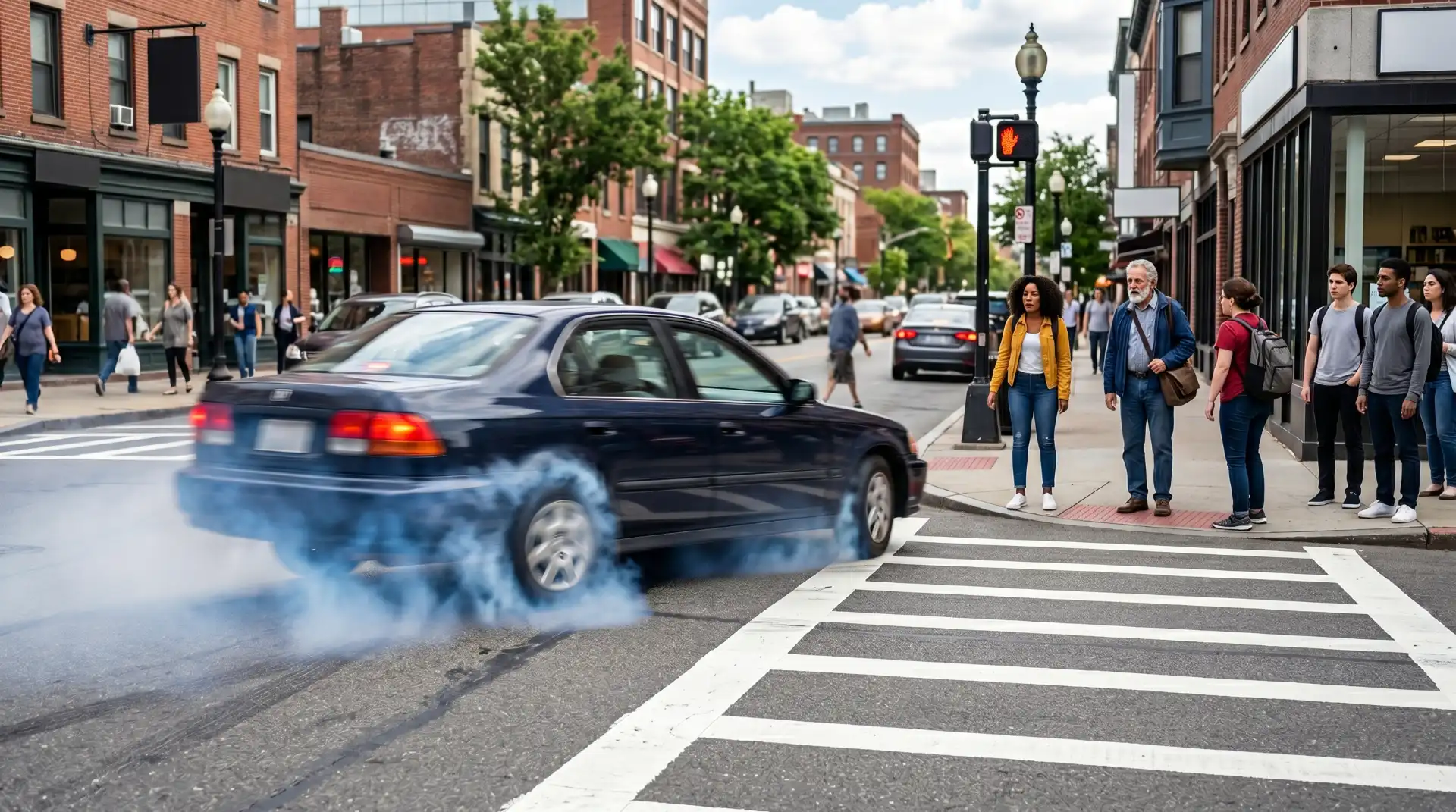
Speeding remains one of the most dangerous driving behaviors on American roads. While excessive speed creates risks for everyone, pedestrians often face the most severe consequences during a collision. Unlike people inside vehicles, pedestrians have little physical protection during an impact. Even a crash at moderate speeds may lead to catastrophic injuries or fatalities.
Across the United States, pedestrian safety continues to receive national attention. Urban growth, larger vehicles, distracted driving, and high-speed roads have all contributed to increasing concerns about pedestrian crashes. When drivers travel too fast for road conditions, traffic signals, or populated areas, they may have less time to react to people crossing the street.
Pedestrian accidents caused by speeding drivers can happen in intersections, neighborhoods, parking lots, school zones, and near public transportation stops. In many situations, speeding may also combine with other unsafe driving behaviors, including distraction, aggressive driving, impaired driving, or failure to yield.
Understanding how speeding contributes to pedestrian accidents may help explain why these crashes often result in serious injuries and complicated legal questions.
Why Speed Matters In Pedestrian Accidents
Vehicle speed plays a major role in both crash avoidance and injury severity. A driver traveling at higher speeds typically has less time to notice hazards, react to changing traffic conditions, and stop safely before impact.
Stopping distance increases significantly as speed rises. This includes both reaction distance and braking distance. If a pedestrian suddenly enters a crosswalk or becomes visible between parked cars, a speeding driver may not stop in time to avoid a collision.
Higher speeds may also increase the force of impact. A pedestrian struck by a fast-moving vehicle can suffer traumatic brain injuries, spinal injuries, broken bones, internal bleeding, and long-term mobility issues. In severe situations, the crash may become fatal.
Many pedestrian crashes happen in areas where drivers may not expect foot traffic. Residential neighborhoods, shopping centers, parking lots, and suburban arterial roads often place pedestrians close to moving traffic. When drivers exceed the speed limit in these locations, the risks may increase substantially.
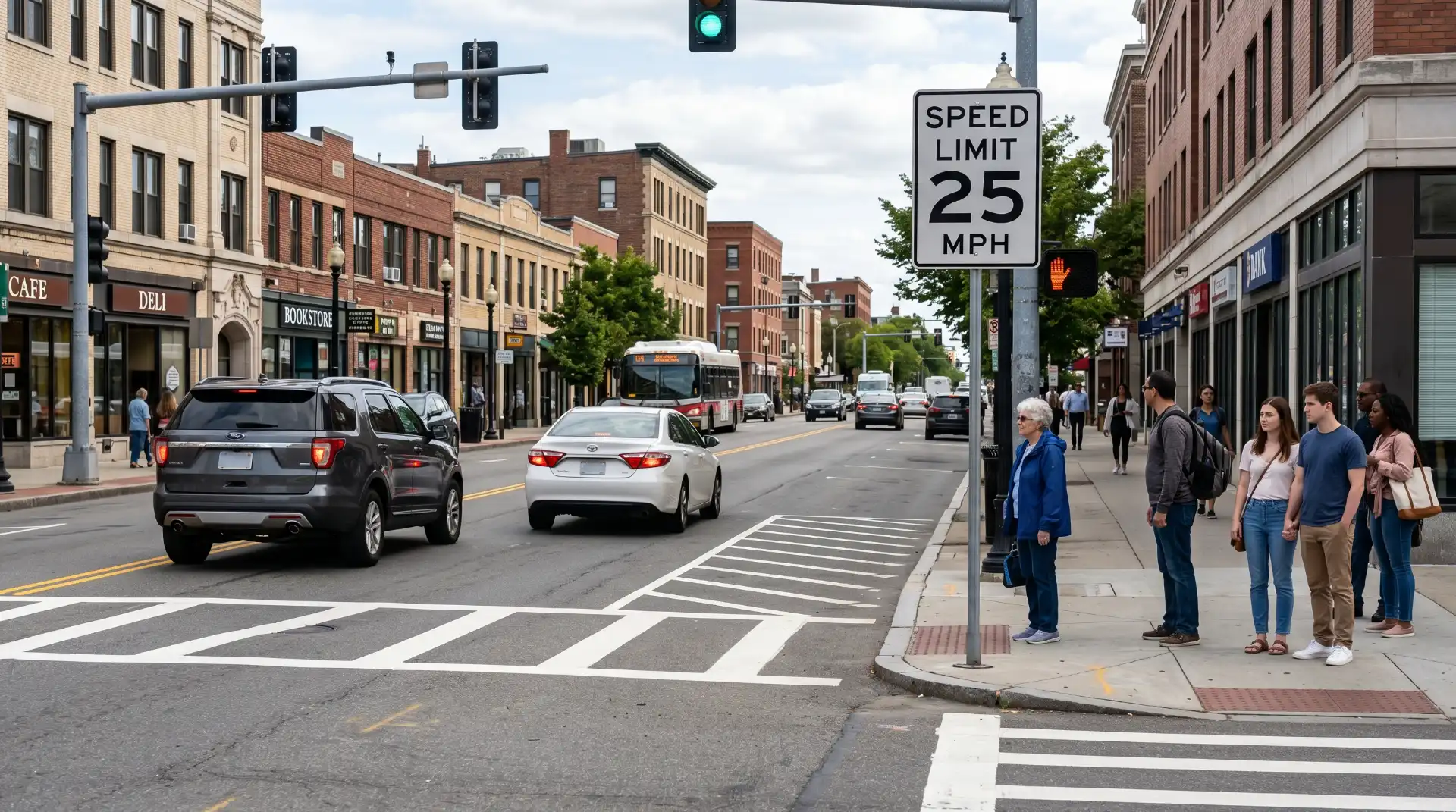
Intersections
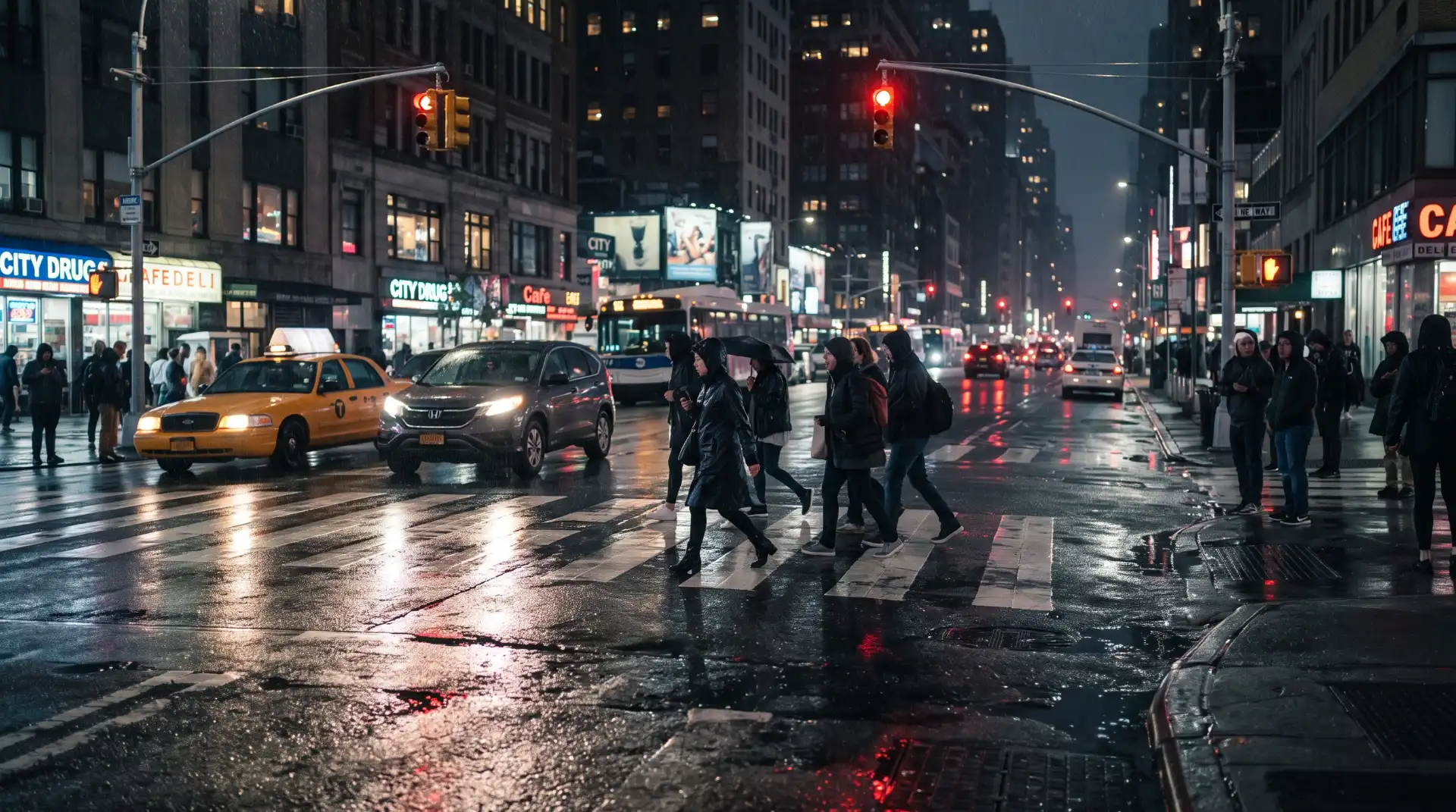
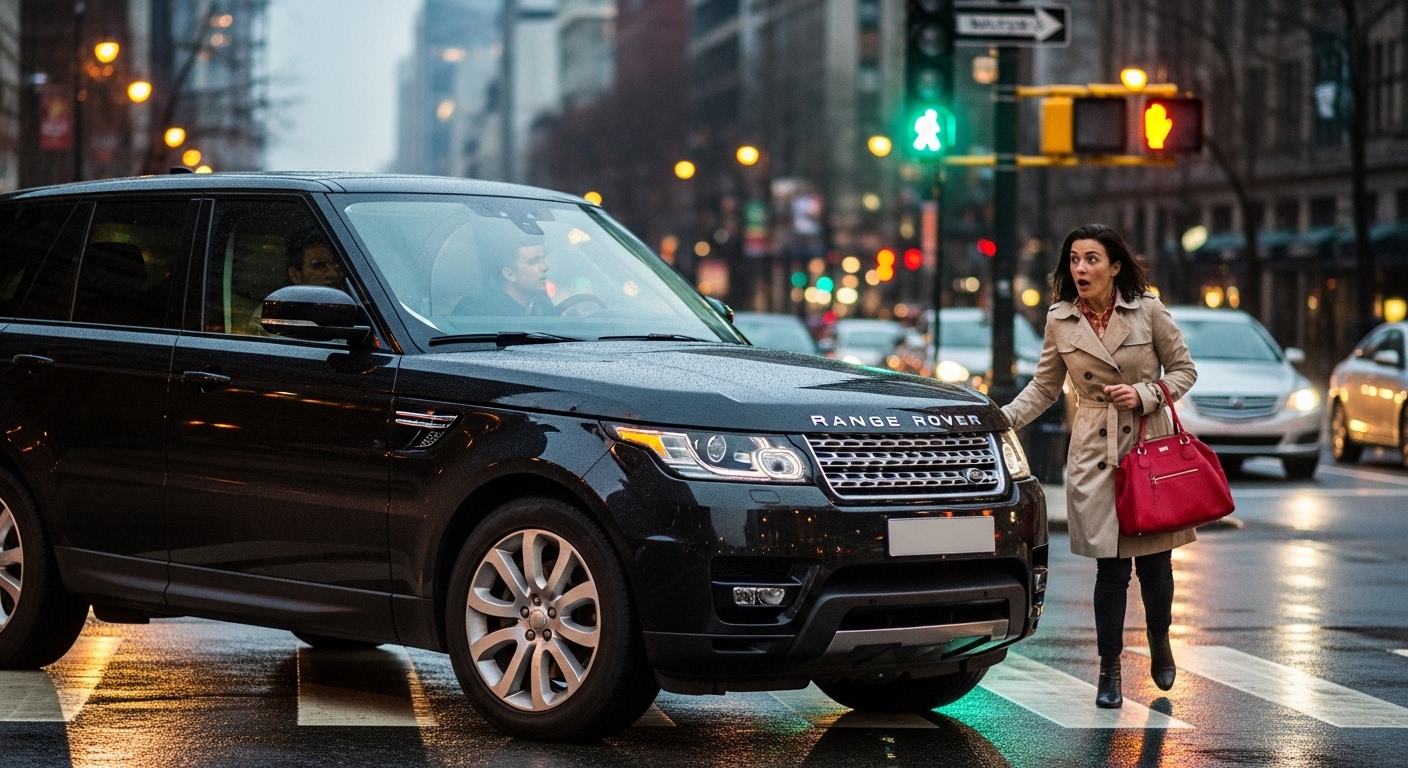
Intersections remain one of the most common locations for pedestrian accidents. Drivers who speed through traffic lights or attempt to beat yellow lights may fail to notice pedestrians already crossing legally.
Left-turn and right-turn collisions can also happen when drivers focus more on vehicle traffic than people walking in crosswalks. A speeding driver may not have enough time to react once a pedestrian becomes visible.
Residential Neighborhoods
Neighborhood speeding continues to concern many communities across the United States. Children playing outside, families walking pets, joggers, and people crossing residential streets may face serious risks when drivers ignore posted speed limits.
Residential roads are often designed for lower speeds because of increased pedestrian activity. Drivers who treat neighborhood streets like major roadways may create dangerous conditions for pedestrians.
School Zones
School zones require additional caution because children may move unpredictably near crosswalks, sidewalks, and drop-off areas. Speed limits near schools are typically reduced during active hours to improve safety.
Drivers who speed through school zones may have limited time to stop if a child enters the roadway unexpectedly. Poor visibility caused by buses, parked vehicles, or congestion may increase these risks.
Parking Lots
Parking lots may appear safer because vehicles generally travel at slower speeds. However, speeding can still become dangerous in these areas. Drivers moving quickly through parking aisles may fail to notice pedestrians walking between vehicles or crossing near store entrances.
Backing accidents and distracted driving may also contribute to parking lot pedestrian crashes.
Urban Arterial Roads
Wide multi-lane roads designed for faster traffic can create significant dangers for pedestrians. These roads often include long crossing distances, fewer protected crosswalks, and high-speed traffic flow.
Pedestrians attempting to cross arterial roads may face multiple lanes of traffic traveling at dangerous speeds. Poor lighting at night may further reduce visibility.
How Speeding Affects Driver Reaction Time
Reaction time is critical during any potential collision. Drivers need time to identify hazards, decide how to respond, and apply the brakes safely. When speeding is involved, the available reaction window becomes much smaller.
For example, a driver traveling well above the speed limit may cover a large distance in only a few seconds. If a pedestrian enters a crosswalk ahead, the driver may not recognize the danger quickly enough to stop.
Speeding may also affect vehicle control. Sudden braking, sharp turns, or attempts to avoid pedestrians at high speeds may cause additional collisions with other vehicles, cyclists, or roadside objects.
Weather conditions can make these dangers even worse. Rain, fog, glare, and wet roads may increase stopping distance and reduce visibility.
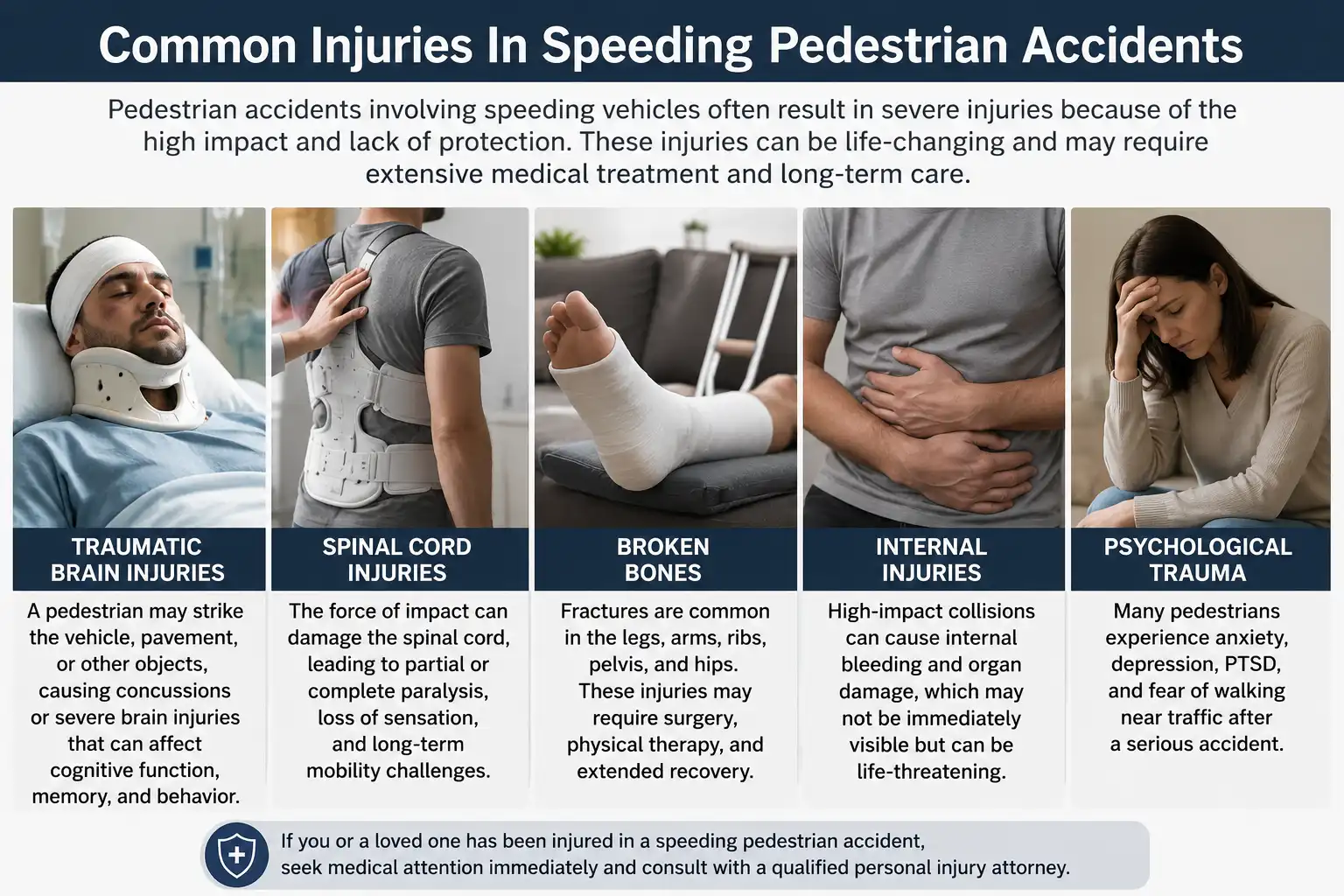
Pedestrian accidents involving speeding vehicles often result in severe injuries because the force of impact can be substantial. The injuries may vary depending on vehicle size, speed, impact angle, and road conditions.
Traumatic Brain Injuries
Head injuries are common during pedestrian crashes. A pedestrian may strike the hood, windshield, pavement, or nearby objects after impact. Brain injuries can range from mild concussions to life-altering trauma.
Spinal Cord Injuries
High-impact crashes may damage the spinal cord, potentially affecting mobility, sensation, or long-term physical function.
Broken Bones
Fractures frequently occur in the legs, pelvis, ribs, arms, and hips. Some injuries may require surgery, physical therapy, or extended recovery periods.
Internal Injuries
Internal bleeding and organ damage may not always appear immediately after a crash. Medical evaluation is often important even when injuries initially seem minor.
Psychological Trauma
Pedestrian crashes may also lead to emotional and psychological effects, including anxiety, depression, sleep disturbances, and fear of walking near traffic.
Factors That Often Combine With Speeding
Distracted Driving
Drivers who text, use navigation systems, or interact with mobile devices while speeding may face even greater risks of causing pedestrian accidents.
Distraction reduces awareness of surroundings and may delay reaction time further.
Impaired Driving
Alcohol and drug impairment may affect judgment, coordination, and braking ability. When combined with speeding, impaired driving can significantly increase crash severity.
Aggressive Driving
Tailgating, weaving through traffic, and ignoring traffic signals often occur alongside speeding behavior. Aggressive drivers may take unsafe risks near pedestrians and intersections.
Poor Visibility
Nighttime conditions, weather, and dark clothing may reduce visibility for both drivers and pedestrians. Speeding through low-visibility conditions may increase collision risks.
Pedestrian Rights And Driver Responsibilities
Drivers generally have a duty to operate vehicles safely and remain alert for pedestrians. Traffic laws often require drivers to yield at marked crosswalks and obey posted speed limits.
Pedestrians also have responsibilities when crossing streets, following traffic signals, and using designated crossing areas. However, even when a pedestrian shares some responsibility for a crash, speeding by a driver may still become an important factor during an investigation.
Many states follow comparative negligence rules, meaning fault may sometimes be shared between parties involved in a collision.
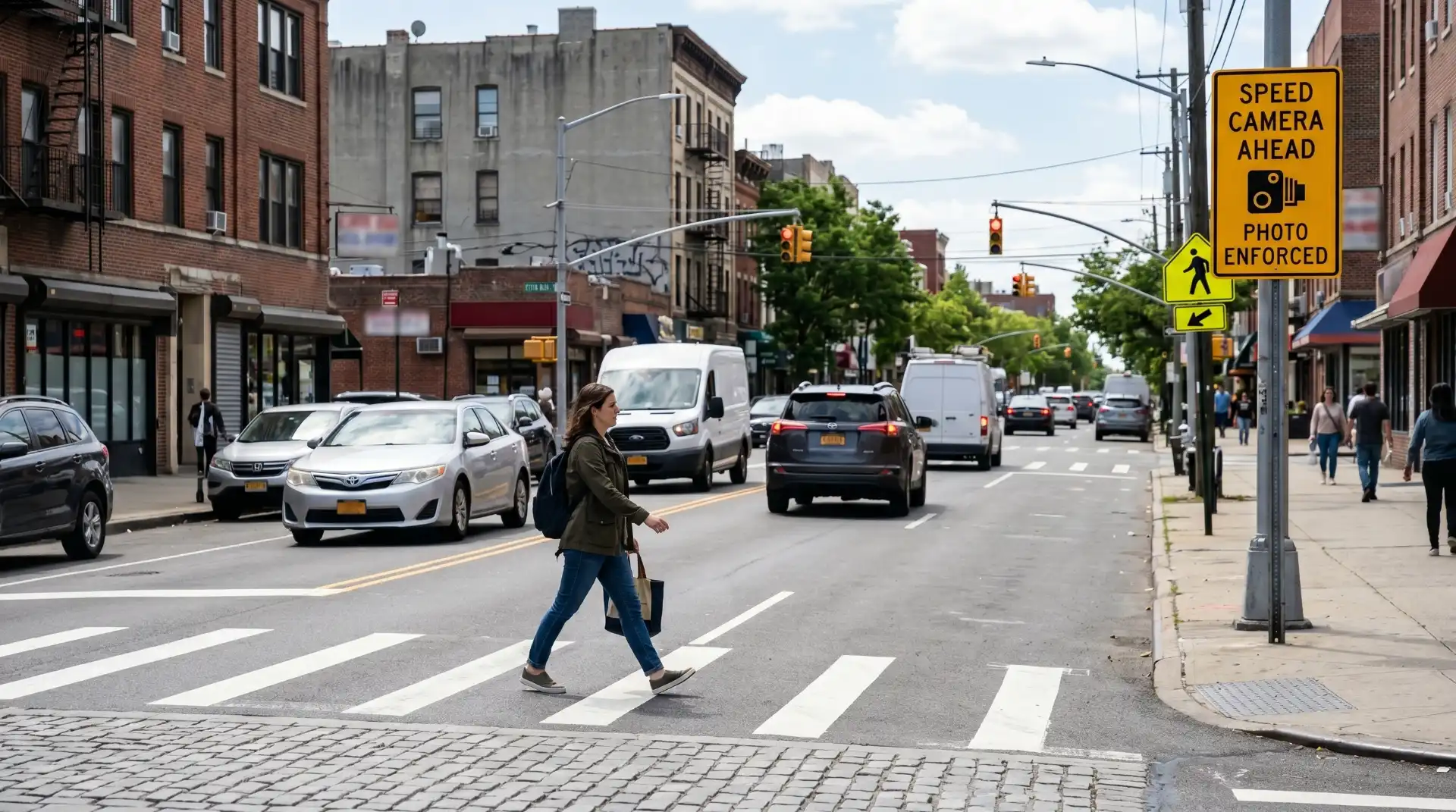
Evidence That May Help After A Speeding Pedestrian Accident
Evidence may become important when determining how a pedestrian crash occurred. In speeding-related accidents, investigators often review multiple sources of information.
Police Reports
Police officers responding to the scene may document vehicle speed estimates, witness statements, road conditions, and traffic violations.
Surveillance Footage
Traffic cameras, business security cameras, and residential surveillance systems may capture the crash or events leading up to it.
Witness Statements
Witnesses may describe vehicle speed, traffic signal status, driver behavior, or pedestrian actions before the collision.
Vehicle Data
Some modern vehicles contain electronic data recorders that may store information about speed, braking, and steering activity before a crash.
Medical Records
Medical documentation may help connect injuries to the collision and establish the severity of harm suffered by the pedestrian.
What To Do After A Pedestrian Accident Caused By Speeding
Seek Medical Attention
Immediate medical evaluation may help identify injuries that are not immediately visible. Some conditions, including internal injuries and concussions, may appear hours or days later.
Call Law Enforcement
A police report may help document the scene, statements, and roadway conditions.
Gather Evidence
If possible, photographs of the scene, vehicle damage, crosswalks, traffic signals, skid marks, and injuries may become useful later.
Collect Witness Information
Witness names and contact information may help preserve important observations about the crash.
Avoid Discussing Fault
Statements made immediately after a crash may later become part of insurance investigations. It may help to focus on factual details only.
How Pedestrian Accident Lawyers May Help
Pedestrian accident cases involving speeding drivers may become legally complex. Investigations often involve reviewing crash evidence, medical records, witness accounts, traffic laws, and insurance policies.
A pedestrian accident lawyer may examine whether the driver violated traffic laws, ignored speed limits, failed to yield, or engaged in distracted or reckless driving.
Legal representation may also help manage communication with insurance companies and preserve evidence connected to the crash.
Why Speed Reduction Continues To Matter
Traffic safety experts continue to study ways to reduce pedestrian injuries nationwide. Lower speed limits, redesigned intersections, traffic calming measures, better lighting, and protected crosswalks are increasingly discussed as methods to improve pedestrian safety.
Public awareness campaigns also encourage drivers to slow down in neighborhoods, school zones, and areas with heavy pedestrian activity.
While infrastructure improvements may help reduce crashes, driver behavior remains one of the most important factors in pedestrian safety.
Conclusion
Pedestrian accidents caused by speeding drivers continue to create serious safety concerns throughout the United States. High speeds may reduce reaction time, increase stopping distance, and contribute to severe injuries during a collision.
These crashes can happen in intersections, neighborhoods, school zones, parking lots, and busy urban roads. Factors such as distraction, impaired driving, aggressive driving, and poor visibility may further increase the dangers associated with speeding.
Understanding how speeding contributes to pedestrian accidents may help injured individuals recognize important legal and safety issues following a collision. Careful investigation, medical documentation, and crash evidence may all play important roles after a pedestrian accident involving excessive speed.
For more information about speeding risks and traffic safety, visit the National Highway Traffic Safety Administration website: