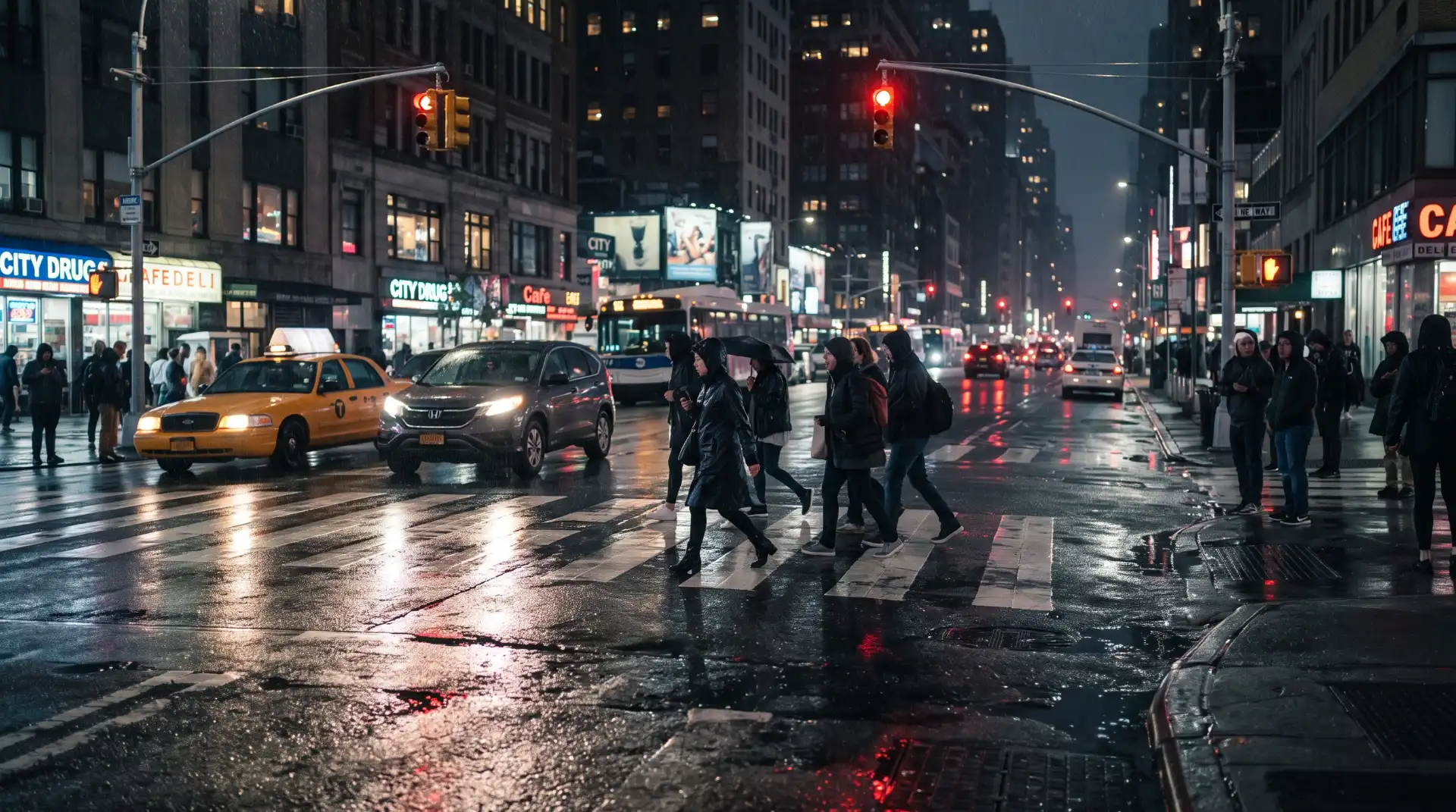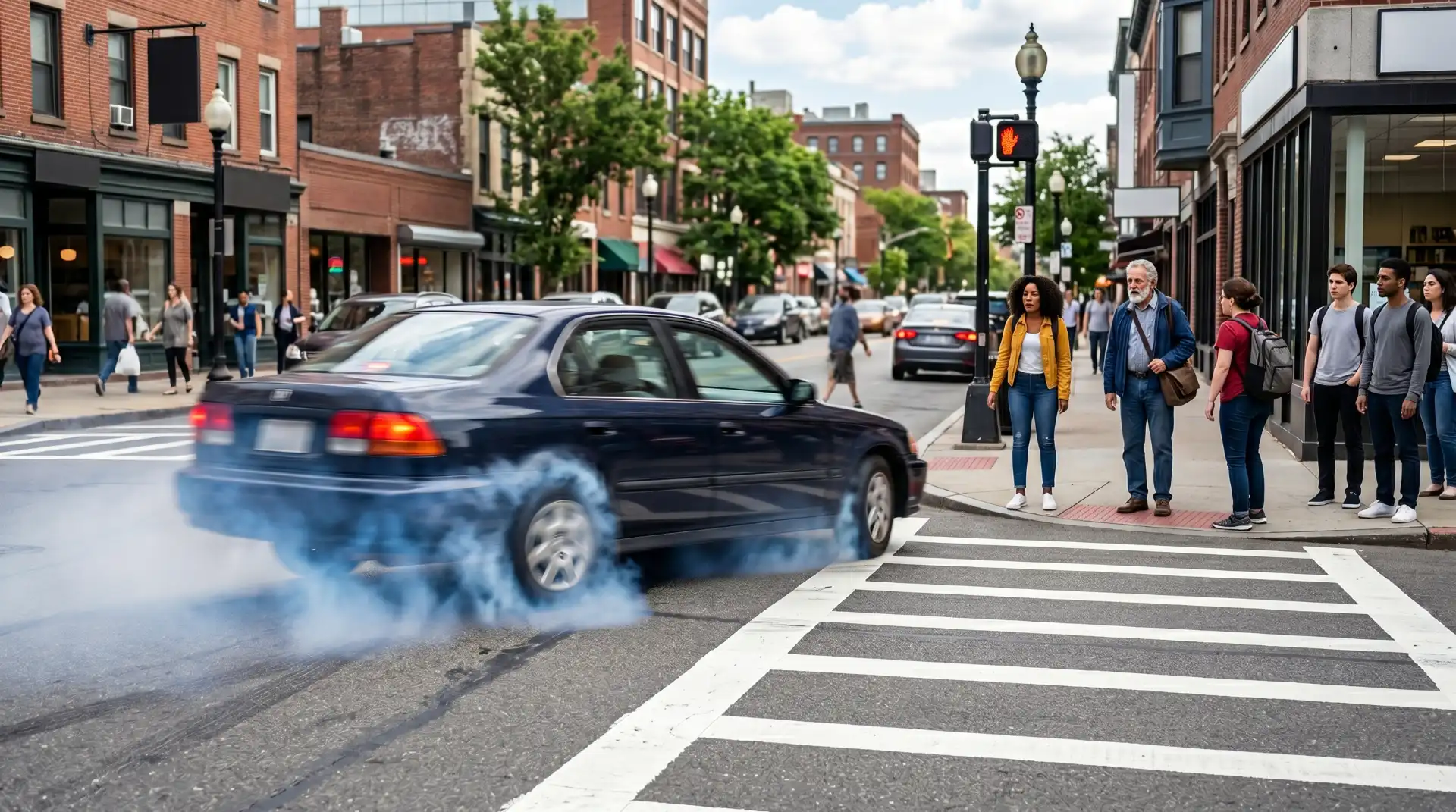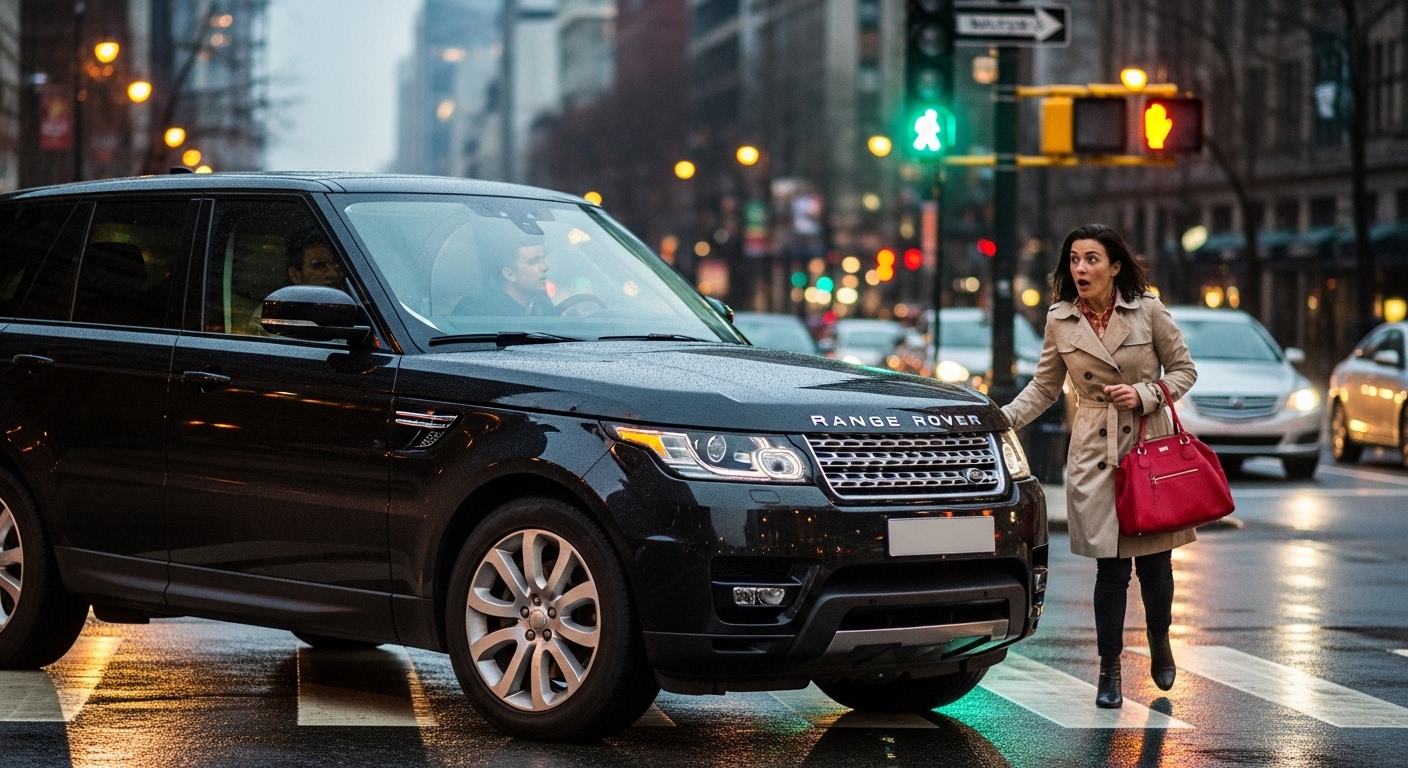
Pedestrian safety remains a major issue across the United States, even as recent reports show some improvement in overall fatality numbers. That improvement should not fool anyone. Pedestrian deaths remain far above pre-pandemic levels, and one reason this issue continues to draw attention is the growing role of larger vehicles on American roads. SUVs and pickup trucks now dominate traffic in many communities, and safety researchers have repeatedly warned that their size, height, and front-end shape can make pedestrian crashes more severe.
For pedestrian injury lawyers, this is not just a traffic safety conversation. It is also a liability issue. When a person on foot is struck by a taller vehicle, the injuries are often more serious, the medical costs are higher, and the legal stakes are bigger. Victims and families want to know whether the driver was careless, whether the vehicle design contributed to the harm, and what compensation may be available after a crash. In 2026, this topic is especially relevant because pedestrian deaths remain elevated, and public safety groups continue to focus on vehicle design, speed, visibility, and road behavior.
Why Larger Vehicles Pose Greater Risks to Pedestrians
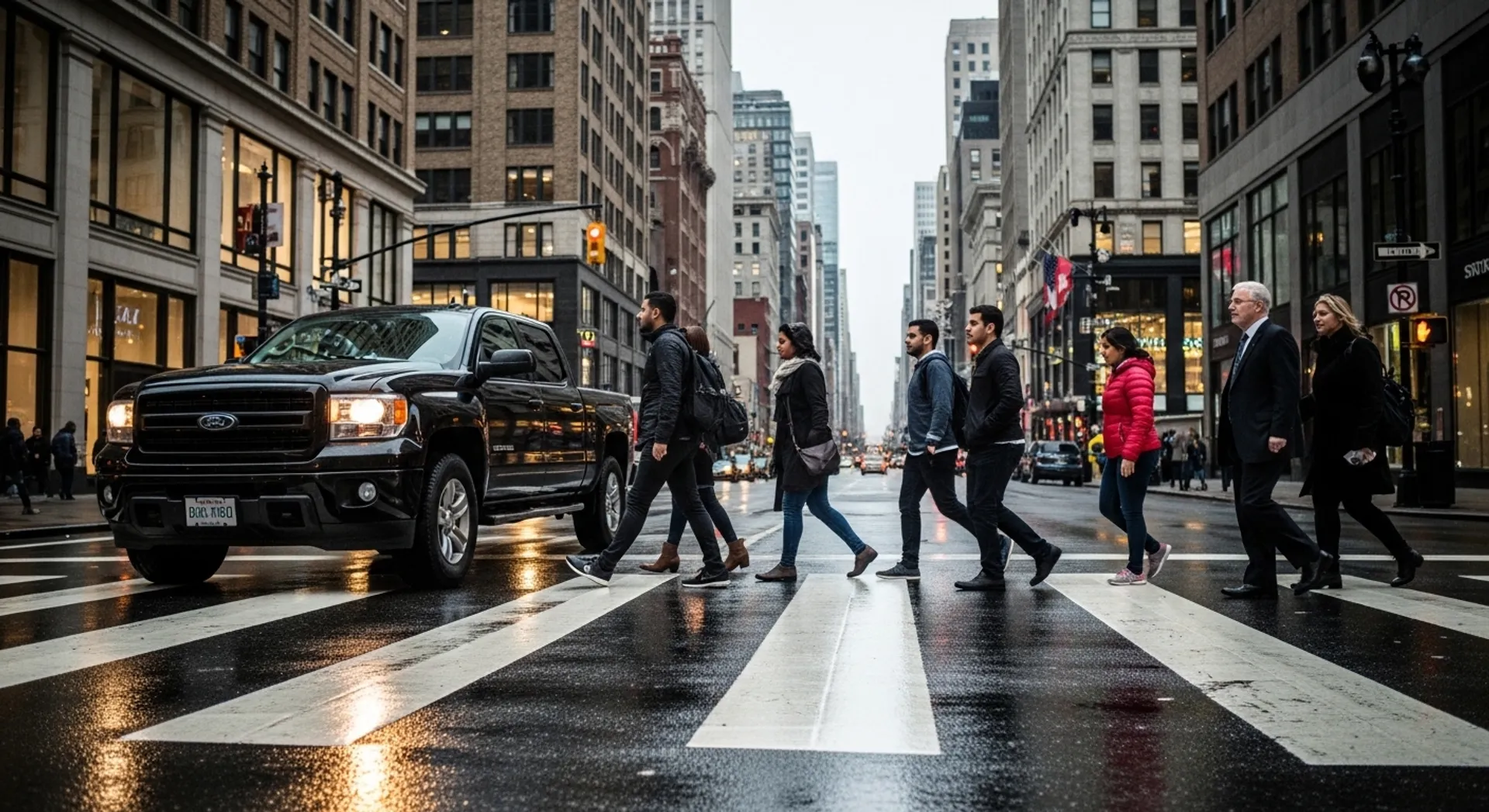
The basic problem is simple. Pedestrians have no protective shell, no airbag, and no seat belt. When a crash involves an SUV or pickup truck, the point of impact is often higher on the body than it would be with a smaller passenger car. That changes the injury pattern and can make the outcome worse.
How Vehicle Height and Front-End Design Change Crash Outcomes
Research from the Insurance Institute for Highway Safety has shown that vehicles with higher and more vertical front ends pose greater danger to pedestrians. Taller vehicles are more likely to strike a person’s torso and hips rather than the legs first, and that can increase the risk of severe injury. IIHS has also reported that vehicle height magnifies the danger of speed, meaning a pedestrian struck by a taller vehicle may face serious harm even at speeds where a smaller vehicle might produce a less catastrophic outcome.
Higher front ends can cause more severe body trauma
In a crash with a lower passenger car, the pedestrian is more likely to be hit lower on the body first. With a taller SUV or pickup truck, the front end may hit the pelvis, abdomen, or chest directly. That can lead to organ damage, pelvic fractures, chest trauma, spinal injuries, and traumatic brain injuries. Those injuries are often life-changing and expensive to treat.
Driver visibility can be worse at close range
Another issue is visibility. Larger vehicles can create bigger front blind zones, especially for children, shorter adults, and anyone stepping into a crosswalk from a curb. A driver may think the path is clear when a pedestrian is actually right in front of the vehicle. This becomes even more dangerous in parking lots, school zones, neighborhoods, and stop-and-go urban traffic.
That does not mean every SUV or pickup crash automatically creates legal liability. It does mean the facts deserve close review. If the driver was speeding, turning without yielding, ignoring a crosswalk, looking at a phone, or backing up carelessly, the size of the vehicle may have made the injuries much worse. In that situation, the victim may have a strong negligence claim.
Why This Matters More in Urban and Suburban Areas
Pedestrian crashes do not happen only on highways. Many happen close to home, near stores, intersections, schools, parking lots, bus stops, and residential streets. These are exactly the places where larger everyday vehicles mix with people walking. A driver in a pickup truck making a quick right turn on red may focus on vehicle traffic and fail to notice a pedestrian already in the crosswalk. An SUV driver pulling out of a parking space may rely too heavily on cameras and sensors and still miss someone walking behind the vehicle.
This risk also overlaps with issues your site already covers. For example, a pedestrian struck by a distracted SUV driver may face the same negligence issues discussed in Pedestrian Accidents and Distracted Driving: A Growing Concern. If the driver leaves the scene, the victim may also need the steps explained in Hit-and-Run Pedestrian Accidents in the US and Legal Strategies.
What Pedestrian Accident Victims Should Know About Liability and Compensation

After a pedestrian crash involving an SUV or pickup truck, victims usually focus first on medical care. That is the right move. But the legal side starts immediately too. Evidence can disappear fast, and insurance companies often move quickly to frame the case in a way that limits what they have to pay.
What Evidence Can Strengthen a Pedestrian Injury Claim
In any pedestrian case, strong evidence matters. In a crash involving a larger vehicle, it becomes even more important to document how the impact happened and why the injuries were so serious.
Photos, video, and scene evidence matter
Photos of the vehicle, the crosswalk, skid marks, debris, traffic signals, road lighting, and visible injuries can all help tell the story. Surveillance footage, dashcam video, and witness statements may show whether the driver failed to yield, rolled through a turn, backed up without looking, or drove too fast for the setting. If the crash happened in a parking lot or commercial area, nearby businesses may have useful video.
Medical records help connect the vehicle impact to the injuries
Medical documentation can show the full extent of the harm, including fractures, head trauma, soft-tissue damage, internal bleeding, surgery needs, rehabilitation, and long-term disability. In severe pedestrian crashes, these records often become the foundation for damages claims involving future treatment, lost earnings, and pain and suffering.
Victims should also be careful when speaking to insurers. A quick statement like “I’m okay” can be used against the injured person later. Insurance adjusters may also argue that the pedestrian was outside the crosswalk, stepped out suddenly, or was partly at fault. Comparative fault rules vary by state, so even if the pedestrian shares some blame, recovery may still be possible depending on the jurisdiction and the facts of the case.
Your readers may also benefit from related internal resources such as The Legal Process After a Pedestrian Accident: What to Expect, Common Injuries in Pedestrian Accidents and How to Recover, and How to Protect Your Rights After a Pedestrian Accident.
For an external authority link, the Insurance Institute for Highway Safety provides useful research on how taller vehicle fronts and speed increase pedestrian injury severity.
The legal takeaway is direct. SUVs and pickup trucks do not automatically cause liability, but they can make a bad crash much worse. When a driver fails to yield, drives distracted, turns carelessly, backs up without checking, or speeds through a pedestrian-heavy area, the consequences can be devastating. In 2026, this issue is only getting more attention because the data still show a serious pedestrian safety problem, and the current vehicle mix on American roads is part of that conversation. For injured pedestrians, early documentation, immediate medical treatment, and fast legal review can make the difference between a weak case and a strong one.